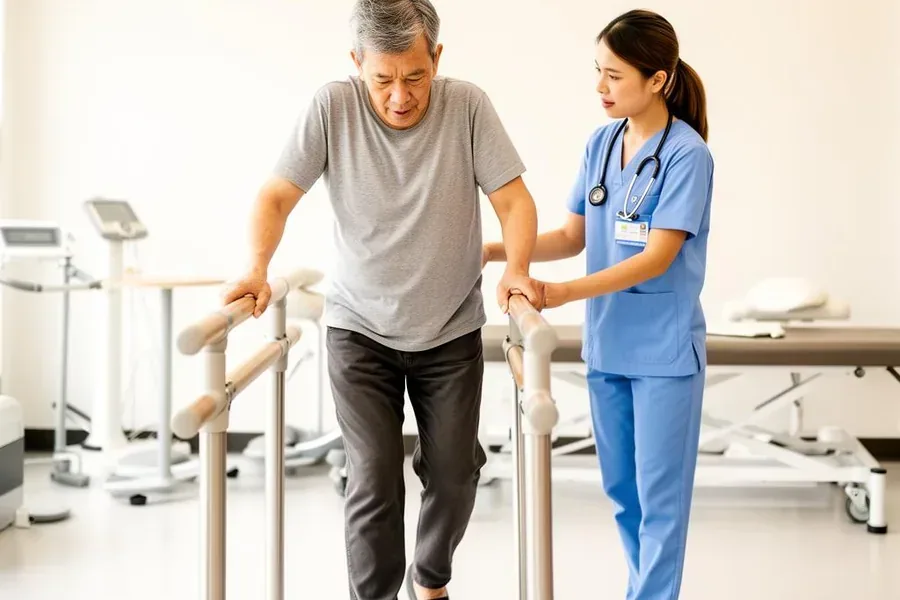


Medical Tourism · Rehabilitation Hospital Thailand
Stroke Rehabilitation for International Patients in Thailand
The definitive medical-tourism guide to hospital-based, PM&R-led stroke rehabilitation in Thailand — from Sanpiti, the country's largest specialised rehabilitation hospital network with 9 Bangkok branches and 5,000+ families served since 2014.
Real photos of our Rangsit–Khlong Luang rehabilitation campus
See the actual care environment serving Rangsit, Khlong Luang and northern Bangkok, near Bangkok University and Thammasat University Rangsit. These photographs show the campus, family areas, rehabilitation gym, therapy garden and hospital-based physiotherapy floor.
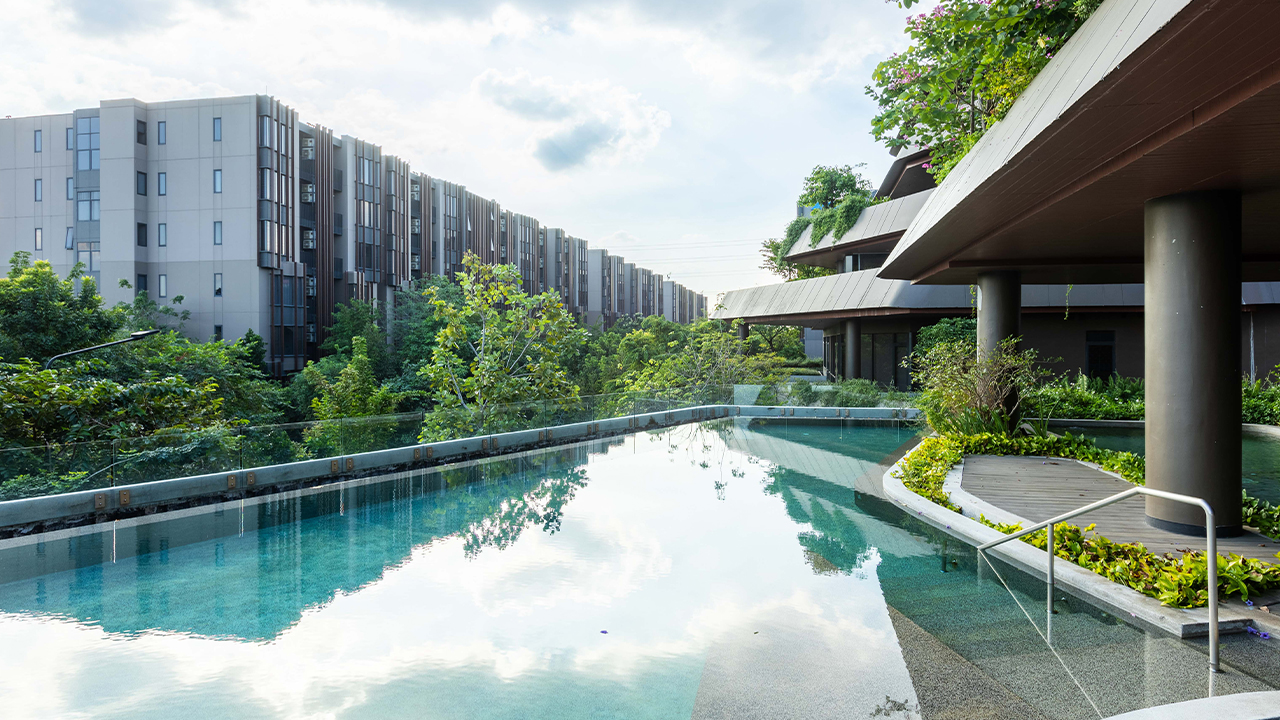
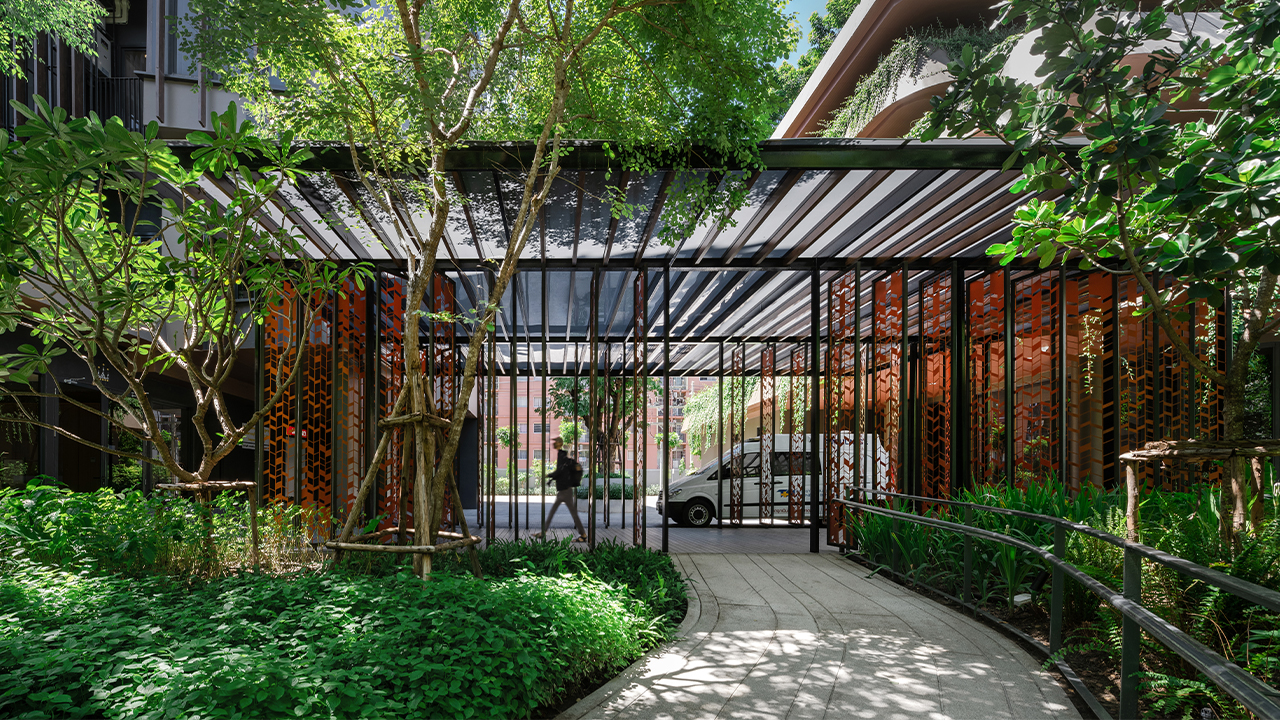
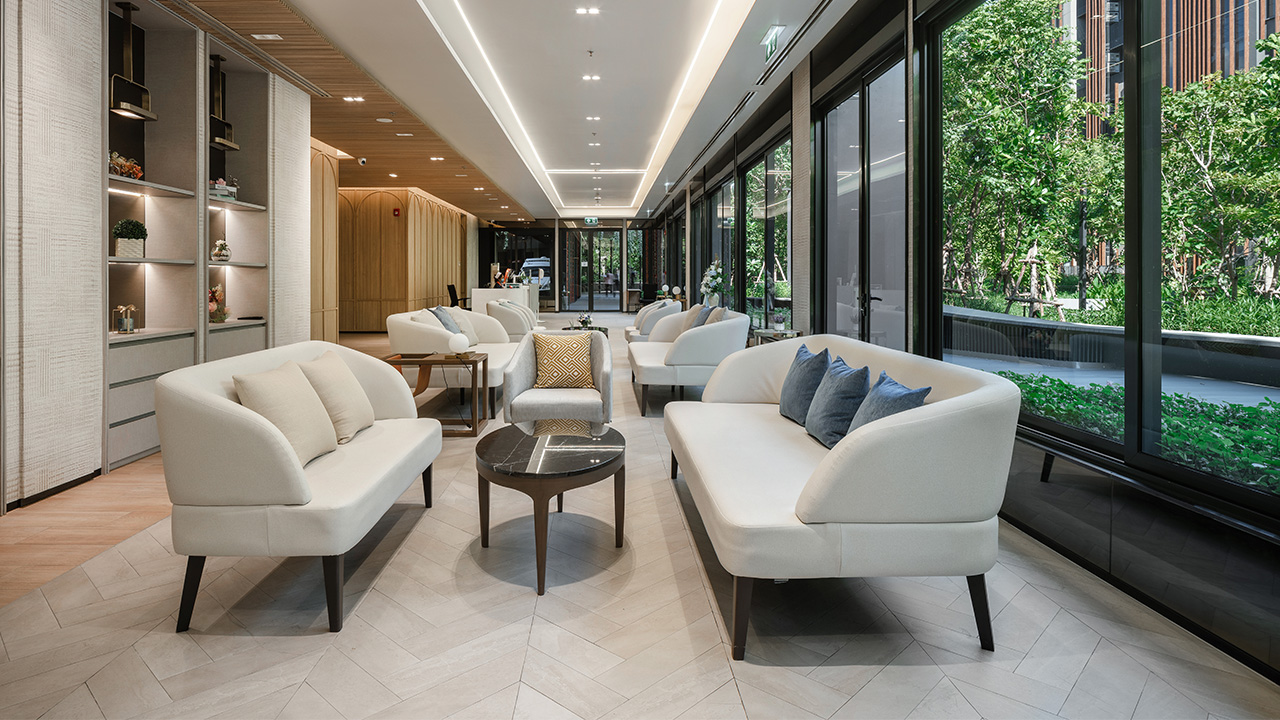
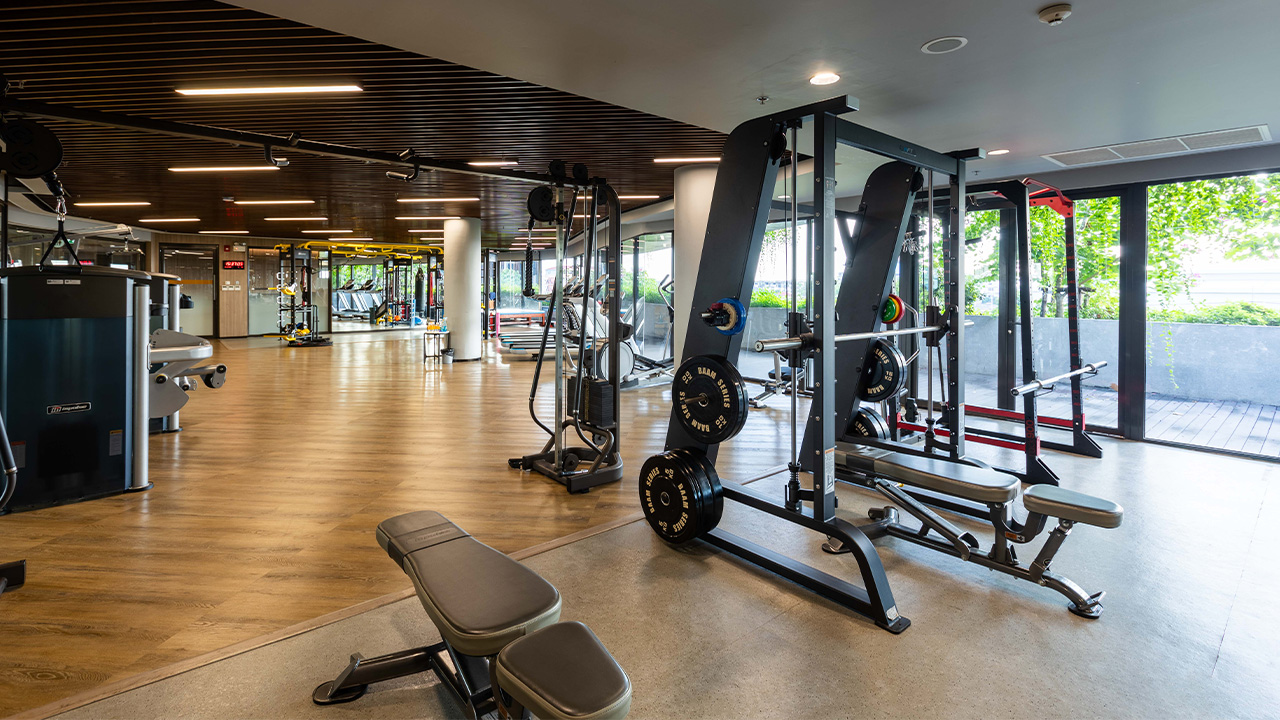
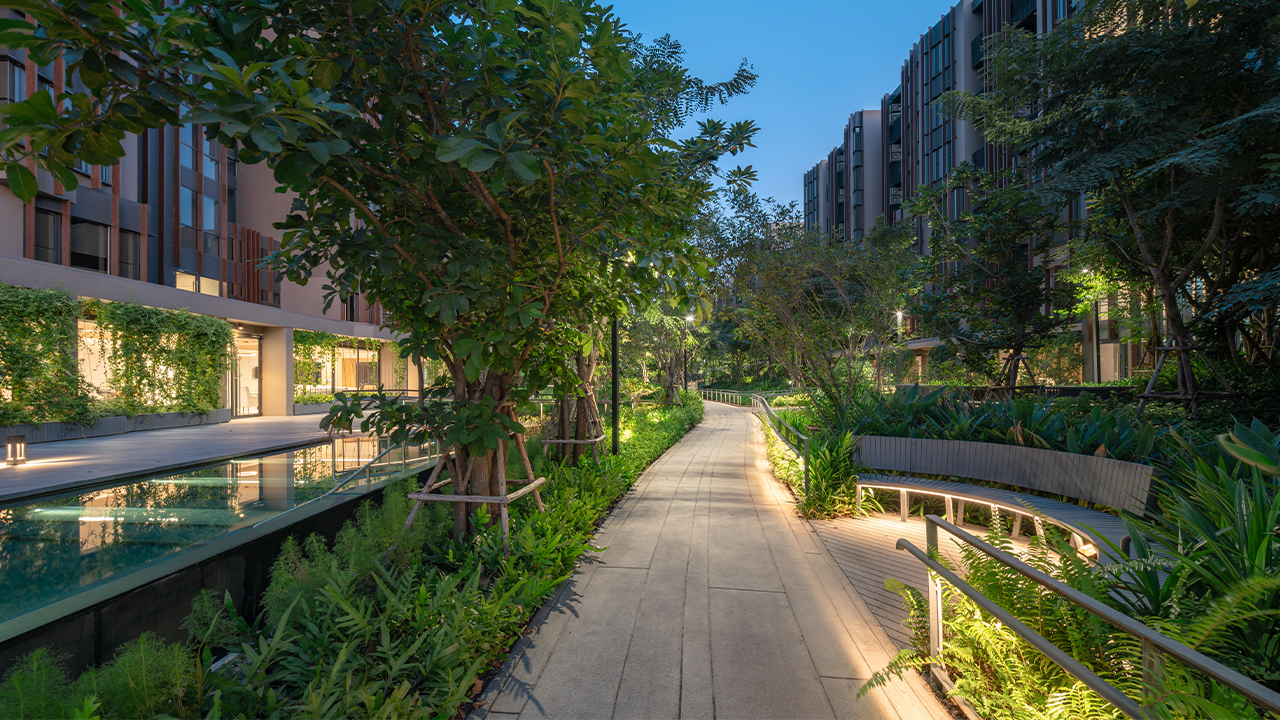
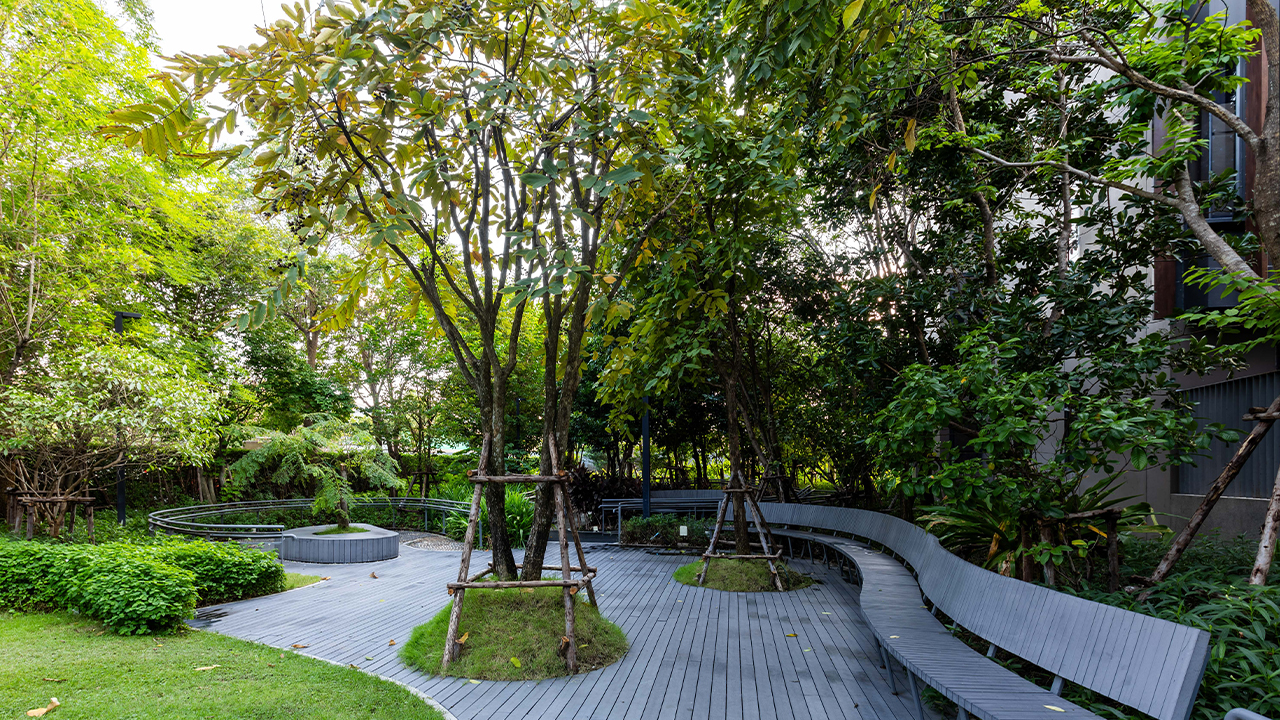
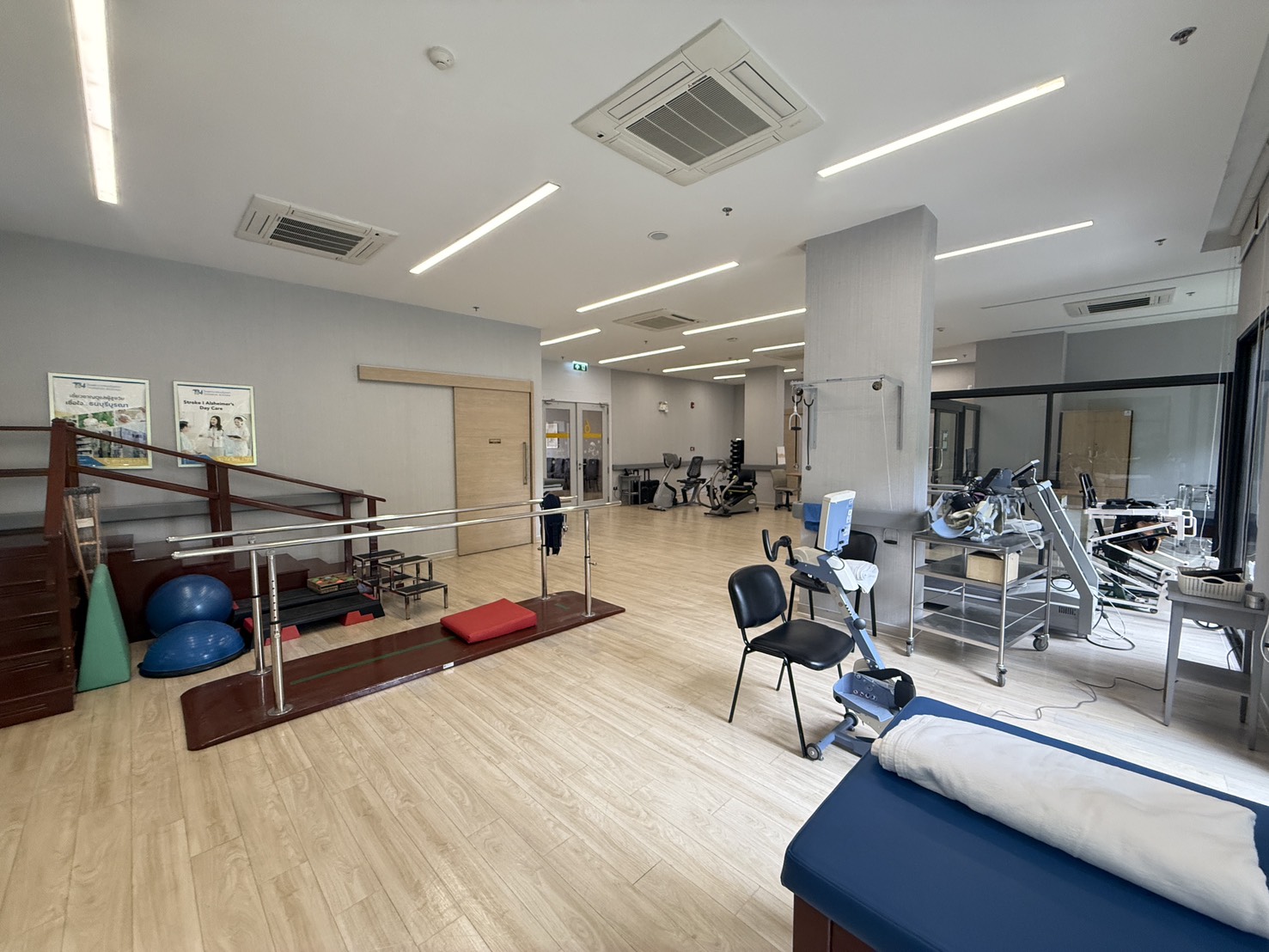
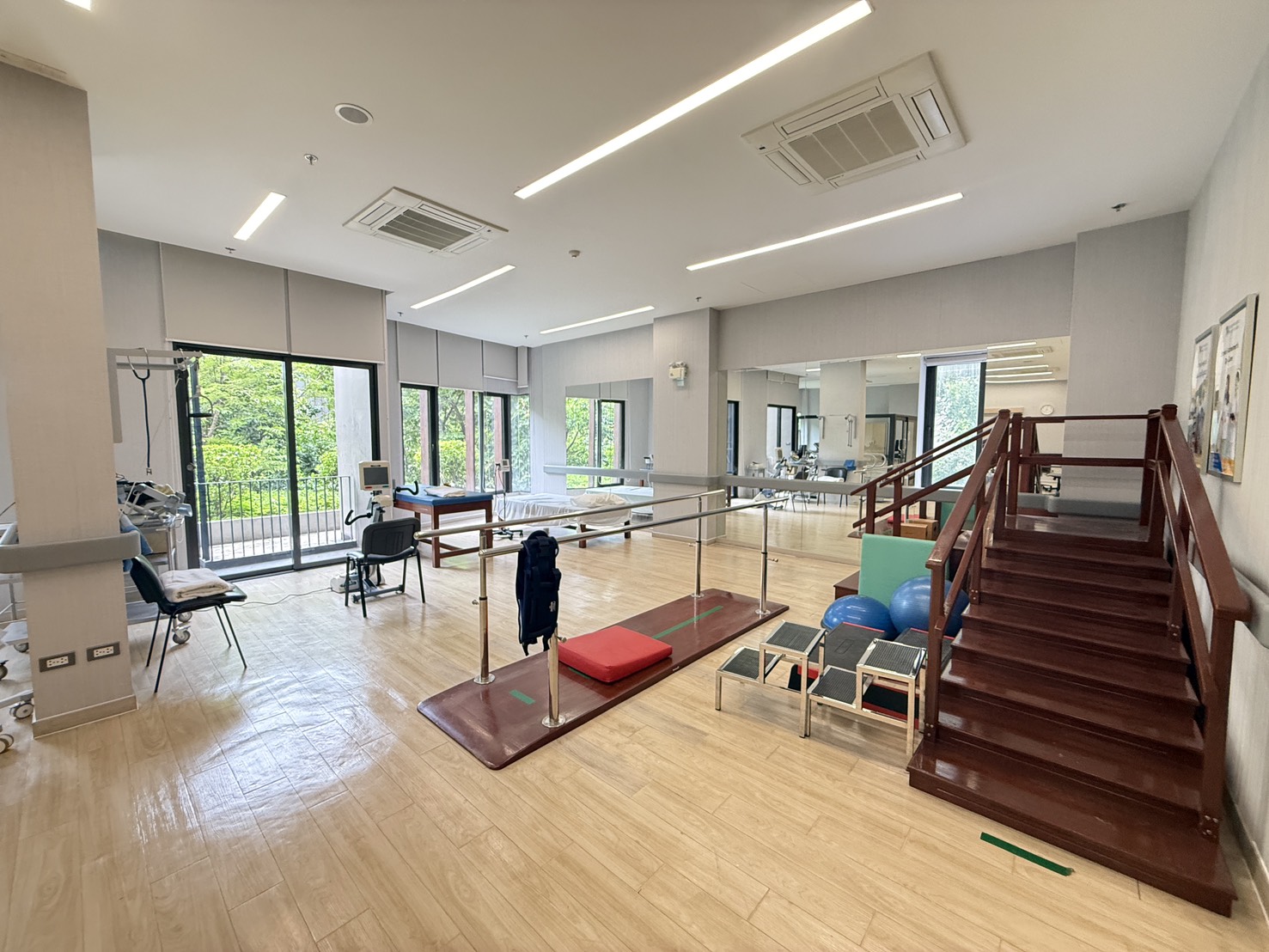
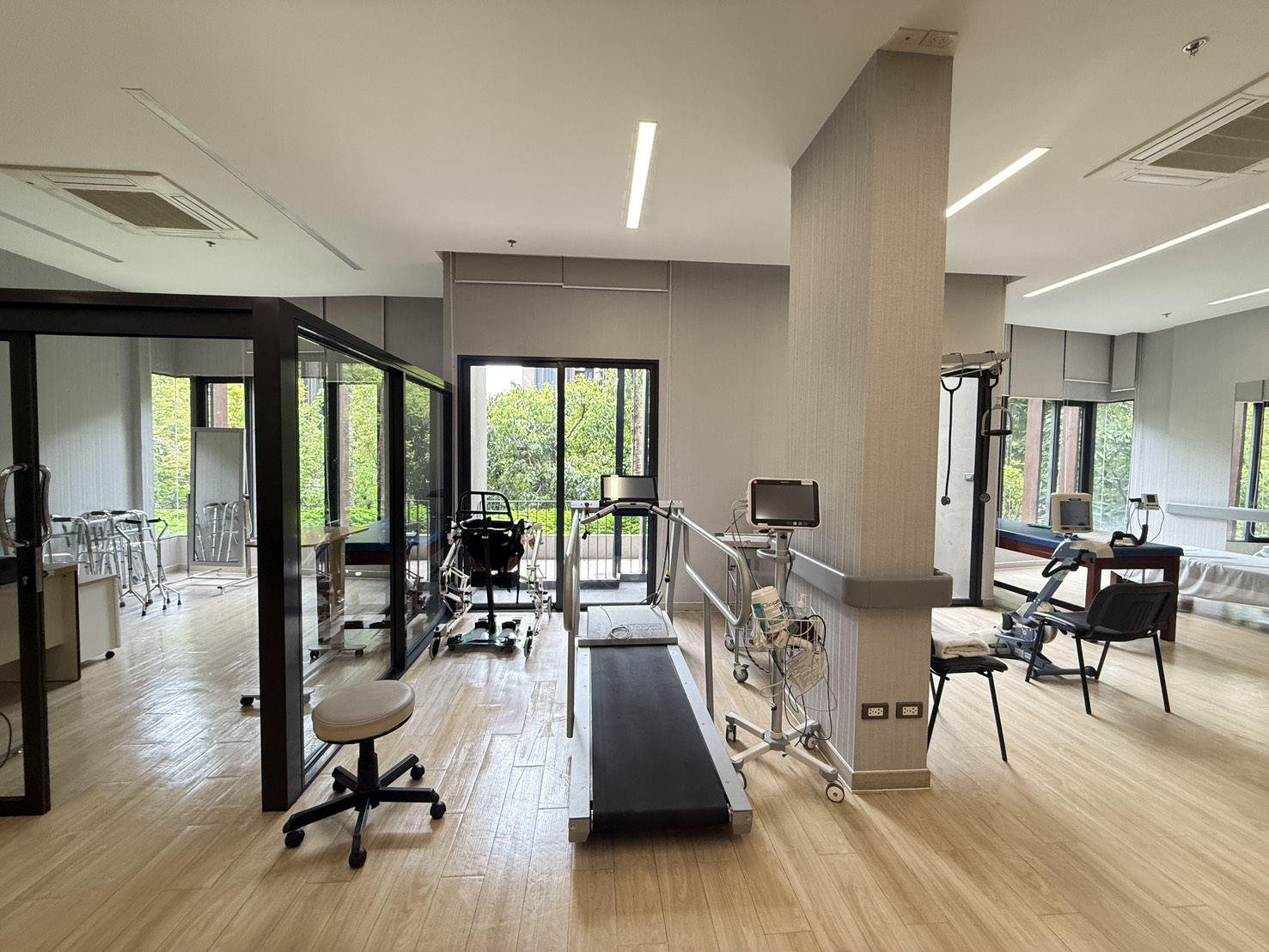
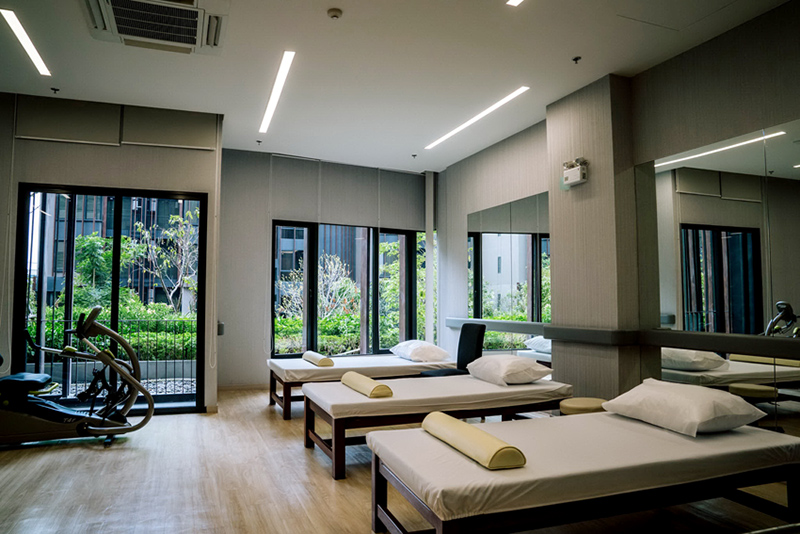
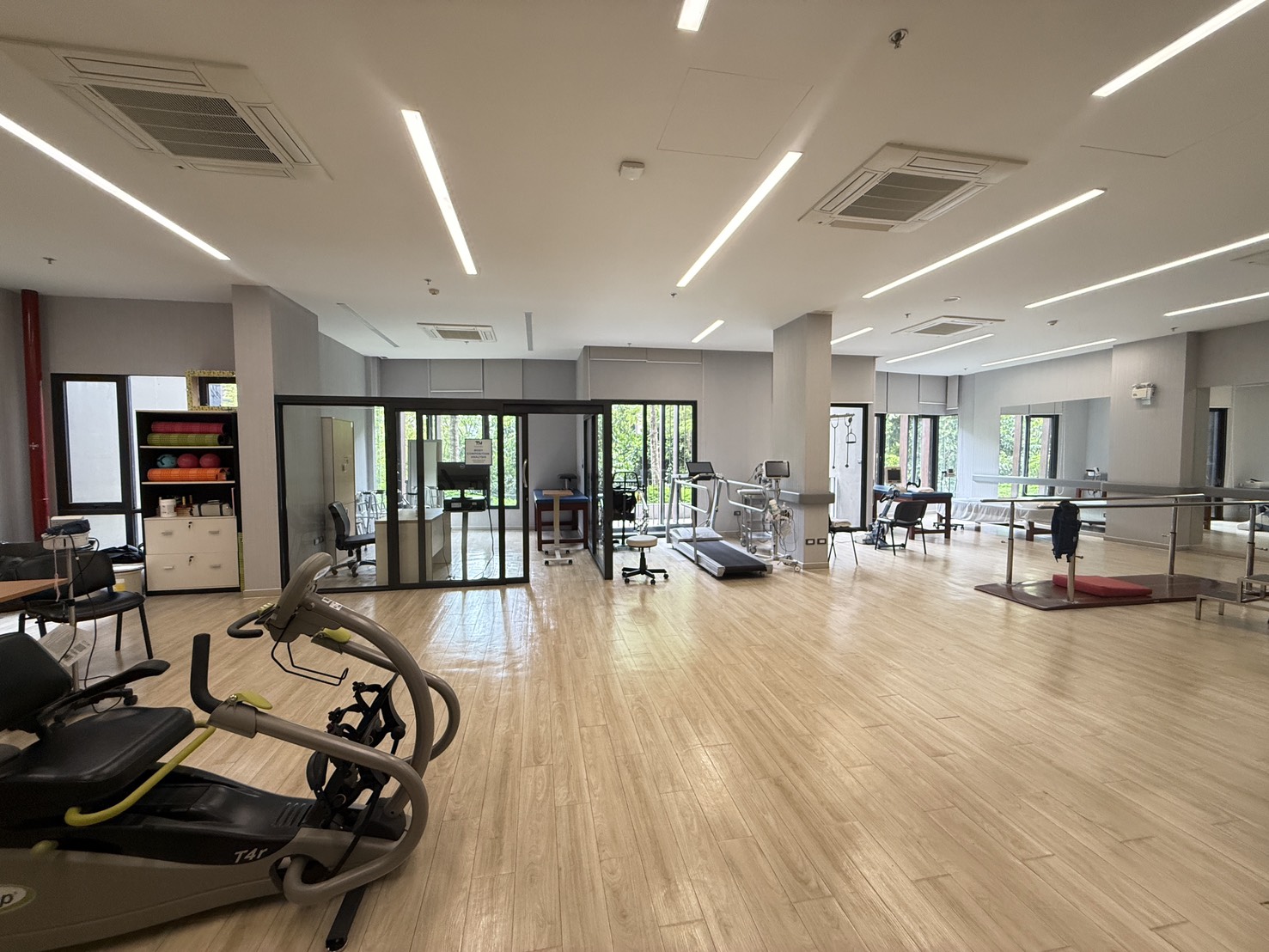
Original photographs: Sanpiti stroke rehabilitation campus and physiotherapy department serving Rangsit–Khlong Luang, Pathum Thani.
Direct answer · Saudi Arabia, UAE, Qatar, Kuwait, Oman & Bahrain
Is there a stroke rehabilitation center in Thailand for Saudi and Gulf patients?
Yes — Sanpiti operates a dedicated GCC pathway at its hospital-integrated Jin Wellbeing campus in Rangsit, Bangkok: Arabic-speaking coordination, halal-prepared meals, prayer space, family accommodation on the same campus, a Thai Medical Treatment Visa support letter, and 2–3 one-to-one therapy sessions per day delivered inside a licensed hospital building with 24-hour nursing and board-certified PM&R oversight. The international inpatient programme starts from ฿65,900 per month as a starting rate, with room, meals, nursing, physician review and therapy sessions included according to the chosen package.
- Arabic-speaking coordinator for Saudi, UAE, Qatar and Kuwait families
- Halal catering and prayer space at every branch
- Qatar / GCC referral: first contact to admission in 7–14 days
- Direct flights from Riyadh, Jeddah, Dubai, Abu Dhabi, Doha and Kuwait
- Medical Treatment Visa letter for patient and accompanying family
- Average inpatient stay 2.6 months — the full Golden Period
Read the full comparison: Gulf vs Thailand stroke rehabilitation — cost, intensity and the referral pathway.
Direct answer · Visa & length of stay
What visa do you need for stroke rehabilitation in Thailand, and how long should you stay?
Most nationalities enter Thailand on a 30–60 day visa exemption and then convert to a Non-Immigrant "O" Medical Treatment Visa, extendable in-country up to 1 year — Sanpiti issues the hospital confirmation letter, treatment plan and cost estimate required for the application or the extension at Thai Immigration. For clinical results, plan on a minimum of 8–12 weeks of intensive inpatient rehabilitation; the average Sanpiti inpatient stay is 2.6 months, and families who arrive inside the first 6 months after stroke (the Golden Period) see the largest functional gains.
- Visa exemption 30–60 days — enough for a first assessment block
- Medical Treatment Visa (Non-Immigrant "O") extendable up to 12 months
- Hospital letter, treatment plan and cost estimate issued within 24 hours
- Accompanying family members can apply on the same medical grounds
- Extensions handled at Thai Immigration while the patient stays admitted
- Minimum useful stay 8–12 weeks · average stay 2.6 months · from ฿65,900/month
Full logistics — airport transfer, family accommodation, extensions: Visa, accommodation and family logistics.
1. Why Thailand for stroke rehabilitation?
Stroke rehabilitation in Thailand has matured into one of Asia's most credible medical-tourism specialties. Three forces drive that. First, the country trains a deep bench of board-certified Physical Medicine & Rehabilitation (PM&R) physicians at university teaching hospitals — Siriraj, Chulalongkorn, Ramathibodi, Phramongkutklao — who then fan out into private rehabilitation hospitals. Second, Thailand has a long-standing service-economy culture which translates into 1:1 physical therapist ratios and high-touch nursing that families from the GCC, Australia, the UK, and the US find unusually attentive. Third, the cost base is structurally lower: a fully-staffed inpatient rehabilitation hospital in Bangkok runs at 20–35% of the operating cost of an equivalent facility in Singapore or Sydney, which translates into 60–80% lower bills for the family without compromising clinical intensity.
For families specifically researching stroke rehabilitation in Thailand, the relevant differentiator is intensity. International guidelines from the American Heart Association and the American Stroke Association recommend at least three hours of active therapy per day during the Golden Period. Most general hospitals in Asia — and many in the US and UK — deliver one hour per day at best. Specialised stroke rehabilitation networks like Sanpiti are built around delivering 2–3 sessions per day at 1:1 ratios, which is the dosage the brain actually needs to re-wire.
Bangkok is also the most practical entry point for the region. Suvarnabhumi (BKK) is a major hub with direct flights from Dubai, Riyadh, Kuwait, Doha, Sydney, Melbourne, London, San Francisco, and most major Asian capitals. Visas are straightforward (see section 7), the city has world-class English signage and English-speaking medical staff, and the rehabilitation hospitals themselves are clustered in safe, modern, low-traffic suburbs accessible to family hotels and serviced apartments.
2. Hospital-based stroke rehabilitation vs nursing home vs outpatient clinic
Families researching stroke rehabilitation in Thailand quickly run into three different care models, and choosing the wrong one is the single most common mistake. Here is the difference.
- Hospital-based inpatient rehabilitation — what Sanpiti does. 24-hour residential care inside a licensed hospital building, with PM&R physician rounds at least weekly (daily in the first 2 weeks), on-site nursing 24/7, in-house TMS / PMS / ESWT equipment, and 2–3 hours of 1:1 physical therapy per day. This is the model the AHA/ASA recommends for the Golden Period.
- Nursing home / long-term care facility — custodial elderly care. Staff are aides and assistants, not physiotherapists. Therapy is incidental — typically 30–60 minutes a few times per week, often without PM&R physician oversight. Useful for late-stage maintenance after a patient has plateaued, but actively harmful in the Golden Period because it wastes the window of peak neuroplasticity.
- Outpatient rehabilitation clinic — therapy by appointment, patient lives at home. Quality of therapy can be excellent, but dosage is limited to 2–4 hours per week. Appropriate for chronic, late-stage maintenance once the patient is independently mobile, but inadequate for acute and sub-acute stroke recovery.
Sanpiti's flagship Jin Wellbeing County branch is physically located inside an AACI-accredited hospital building — that combination of "hospital-based" plus "specialised stroke rehab" plus "international accreditation" is rare anywhere in Asia.
3. Rangsit branch — referral zone and catchment
The Rangsit branch is the main intake point for families searching for stroke rehabilitation in northern Bangkok and Pathum Thani — including the corridors around Rangsit, Nawamin, Ram Inthra, Lam Luk Ka, Khlong Luang, and the university zones of Bangkok University and Thammasat University Rangsit.
Because the facility is inside a hospital-grade building, patients can be admitted directly from acute-care hospitals, use internationally-formatted itemised invoices for insurance, and access specialist referral and medical escalation without leaving the campus. The branch is 25 minutes from Don Mueang International Airport and is the same campus that houses Sanpiti's Jin Wellbeing County flagship.
See the real facility photos in the gallery above.
4. The Golden Period — first 6 months of neuroplasticity
The single most important concept for any family entering stroke rehabilitation in Thailand is the Golden Period: the first six months after a stroke, when the brain's neuroplasticity — its ability to form new neural pathways and rewire around damaged tissue — is at its lifetime peak. Functional MRI studies consistently show 3–4× greater response to intensive therapy during this window than at any later point.
In practical terms, this means three things. First, start fast. Every day delayed is a day of peak neuroplasticity wasted. Sanpiti's international team is built to admit patients within 24–48 hours of arrival in Bangkok, including direct transfer from acute hospitals. Second, dose high. The AHA/ASA recommends ≥3 hours of intensive therapy daily; Sanpiti delivers 2–3 separate sessions of 1:1 physical therapy per day, plus occupational and speech therapy where indicated, exceeding that standard. Third, measure weekly. We track Barthel Index of Activities of Daily Living scores every Friday so families see progress objectively.
Recovery is still possible after the Golden Period — neuroplasticity does not switch off at 6 months — but the slope of recovery flattens, and the same investment of therapy hours produces a smaller functional gain. That is why international families increasingly book directly from the ICU.
5. Sanpiti's clinical model — what an intensive day actually looks like
Sanpiti runs a single standardised clinical protocol across all 9 hospital-based branches. A typical inpatient day for a stroke patient in the Golden Period looks like this:
- 07:00 — nursing assessment, vitals, medication, hygiene.
- 08:00–09:30 — first physical-therapy session: gait, balance, neuromuscular re-education with 1:1 PT plus assistant.
- 09:30–10:30 — TMS or PMS neurostimulation session (3–5 days/week depending on protocol).
- 10:30–11:30 — occupational therapy: upper-limb function, fine motor, ADL retraining.
- 11:30–12:30 — speech therapy where indicated (aphasia, dysphagia).
- 13:30–15:00 — second physical-therapy session: strength, transfers, walking practice.
- 15:00–16:00 — ESWT / Shockwave for spasticity (alternating days).
- 16:00–17:30 — third physical-therapy session for high-intensity patients, or supervised exercise group.
- Evening — family-supervised practice in the room, then nursing handover.
All sessions are supervised by board-certified PM&R physicians who round on each patient at least once per week and whenever the treatment plan changes. The triple-technology neurostimulation stack — TMS (Transcranial Magnetic Stimulation), PMS (Peripheral Magnetic Stimulation), ESWT/Shockwave — is available at every Sanpiti branch and sequenced into the weekly plan based on each patient's spasticity, motor deficit, and tolerance.
6. Cost of stroke rehabilitation in Thailand vs US / UK / AU / SG
Cost is usually the first question international families ask about stroke rehabilitation in Thailand. The starting monthly rate at Sanpiti looks like this (accommodation, meals, nursing, PM&R visits, therapy sessions, and TMS/PMS/ESWT are included according to the chosen package):
| Destination | Monthly inpatient cost (USD) | PT sessions / day |
|---|---|---|
| Sanpiti — hospital-based inpatient programme | From ~$1,900 (฿65,900) | 2–3 |
| Singapore inpatient rehab | $6,000–$10,000 | 1–2 |
| Australia inpatient rehab | $8,000–$12,000 | 1–2 |
| UK private inpatient rehab | $10,000–$18,000 | 1–2 |
| US inpatient rehab | $15,000–$25,000 | 1–3 |
For a typical Golden-Period stay of 2.6 months, that means a total bill of roughly $5,000 USD at Sanpiti versus $40,000–$65,000 USD for the equivalent intensity in the US. The intensity is equivalent or higher; the cost is not.
7. Step-by-step admission for international patients
- Initial contact (Day 0) — WhatsApp +66 96 889 5395 or email info@sanpiti.com with the patient's age, date of stroke, stroke type, current functional status, and any imaging reports.
- Treatment-plan estimate (within 24 hours) — our international coordinator returns a written estimate of recommended length of stay, package cost in your local currency, and visa guidance.
- Pre-arrival medical review — PM&R physician reviews imaging and existing discharge notes; the family approves the proposed protocol.
- Travel + visa — most nationalities use a visa exemption or Medical Treatment Visa; we provide the supporting medical letter.
- Airport meet-and-transfer — Sanpiti coordinates ambulance, wheelchair-accessible van, or business-class car based on patient needs.
- Admission (Day 1) — physician assessment, baseline Barthel Index, initial PT and OT evaluation.
- Intensive rehab (Day 2 onward) — 2–3 PT sessions/day, weekly Barthel re-scoring, weekly family meetings.
- Discharge planning — typically initiated week 6 onward; home-exercise programme, outpatient referral, and return-flight coordination.
8. Visa, accommodation, and family logistics in Bangkok
Visa: Most GCC, EU, UK, US, AU, and ASEAN passport-holders enter Thailand on a 30–60 day visa exemption. For longer stays, the Non-Immigrant 'O' Medical Treatment Visa is straightforward and renewable up to one year. Sanpiti issues medical letters of confirmation on hospital letterhead at no charge.
Family accommodation: Jin Wellbeing County is a resort-style wellness community with on-site family stays, restaurants, swimming pools, and prayer space. For our 8 standard branches, hotels and serviced apartments within 1–3 km are widely available from ฿1,500–฿4,500 per night; we provide a curated short-list to every international family on admission.
Halal food and prayer: Sanpiti accommodates halal dietary requirements at every branch. Bangkok has a large Muslim population, dozens of mosques in the suburbs we operate in, and excellent halal restaurants near every branch.
Language: English-speaking PM&R physicians, English-speaking international coordinators, written treatment plans in English on request. Arabic-speaking coordination is available for GCC families; see our Arabic site.
Insurance: Sanpiti issues internationally-formatted itemised invoices accepted by major international insurers and self-insured employer plans. We also accept direct family payment in THB, USD, EUR, GBP, AED, SAR, and KWD.
9. What does the recovery timeline look like?
- Week 1 — medical stabilisation, swallow assessment, baseline Barthel Index, family education, initiation of bed-side PT including trunk control and sitting balance.
- Weeks 2–4 — progression to supervised standing, transfers, neuromuscular re-education; TMS / PMS protocols initiated; first measurable Barthel gain typically visible.
- Month 2 — supervised walking with parallel bars or walker; upper-limb function training intensified; occupational therapy focuses on dressing, feeding, grooming.
- Month 3 — most ischemic-stroke patients in the Golden Period transition to walking with a cane and supervised outdoor walking practice; speech therapy gains plateau or continue.
- Months 4–6 — community-level walking, stair training, return-home simulation; family training in transfers and home-safety modifications; outpatient discharge planning.
- Beyond 6 months — outpatient or home-based programme; some families continue intensive blocks every 6–12 months to maintain gains.
10. Outcome data — what Sanpiti families actually achieve
Sanpiti tracks every inpatient against the Barthel Index of Activities of Daily Living weekly. Over the last 12 months, the average gain across our ischemic-stroke cohort was approximately 30–45 Barthel points across an average stay of 2.6 months — which translates clinically into independent or supervised walking, independent feeding, and supervised dressing for the majority of patients who arrive within the Golden Period.
Outcomes are heterogeneous and depend on stroke severity (NIHSS at admission), age, comorbidities (especially diabetes and hypertension), and family engagement in the home-programme. Our weekly Barthel re-scoring and Friday family meetings exist so every family sees their loved one's trajectory in objective terms rather than impressionistic ones.
We do not publish absolute recovery percentages or guaranteed outcomes — that would be clinically irresponsible. We do publish our protocols, our staffing ratios, our equipment list, our cost, and our weekly outcome-tracking methodology — see Outcomes.
11. Sanpiti vs large general hospitals for stroke rehabilitation
International families researching stroke rehabilitation in Thailand almost always first encounter the well-marketed international acute-care hospital brands. Those are excellent acute hospitals: world-class neurosurgery, neurology, ICU, and stroke-thrombolysis pathways.
For sub-acute and chronic rehabilitation, the picture is different. Those hospitals offer rehabilitation as one service line among many, typically with one PT session per day, single departments rather than dedicated networks, and per-day inpatient pricing 3–6× higher than Sanpiti. Many families, including those originally admitted to those acute hospitals after stroke onset, transfer directly to Sanpiti once medically stable to continue intensive rehab in the Golden Period — the cost saving funds a longer, more intensive programme, which is usually what actually moves Barthel scores.
The right model is complementary: acute care at the major hospitals for the first 5–14 days, then transfer to a specialised stroke-rehabilitation network like Sanpiti for the Golden Period.
12. Frequently asked questions
13. Explore the 6 decision pillars
Everything an international family needs before choosing a stroke rehab hospital in Thailand — organised into six focused pages:
Also see: Sanpiti Stroke Rehabilitation Center overview · Sanpiti Recovery Campus · Jin Wellbeing County (flagship) · النسخة العربية
Speak with our international coordinator
Reply within 24 hours, in English or Arabic, with a written treatment-plan estimate and cost breakdown.