
1. Why Choose Thailand for Stroke Rehabilitation?
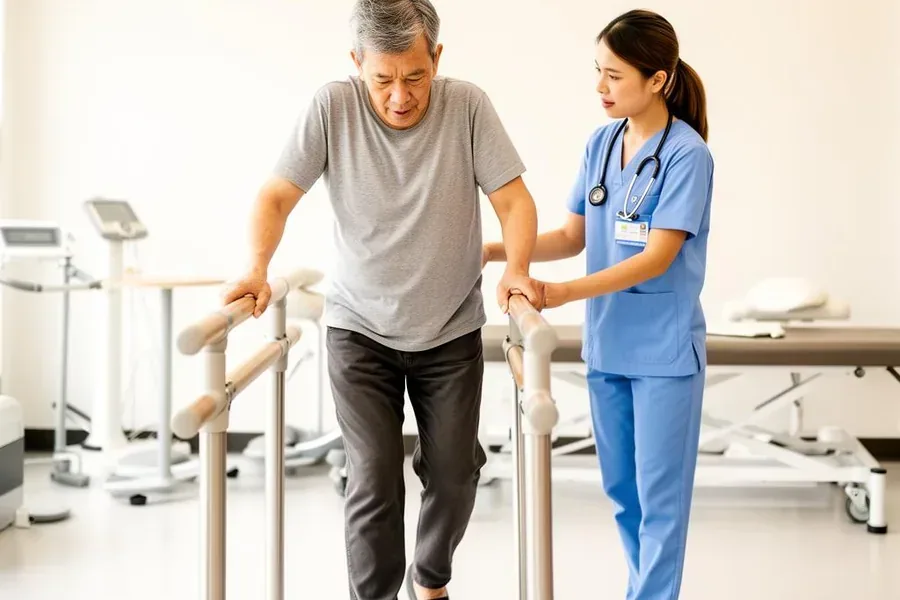
Thailand has become a leading destination for stroke rehabilitation, combining advanced medical expertise with significantly lower costs. With over 60 JCI-accredited hospitals and a mature medical tourism infrastructure, international patients receive world-class care in a supportive recovery environment.
60–80% Cost Savings
Compared to US, UK, Australia, and Singapore
English-Speaking Staff
Major centers have multilingual medical teams
International Accreditation
JCI, ISO, and Thai Medical Council certified
Holistic Recovery
Warm climate, nutritious Thai cuisine, and cultural richness aid healing
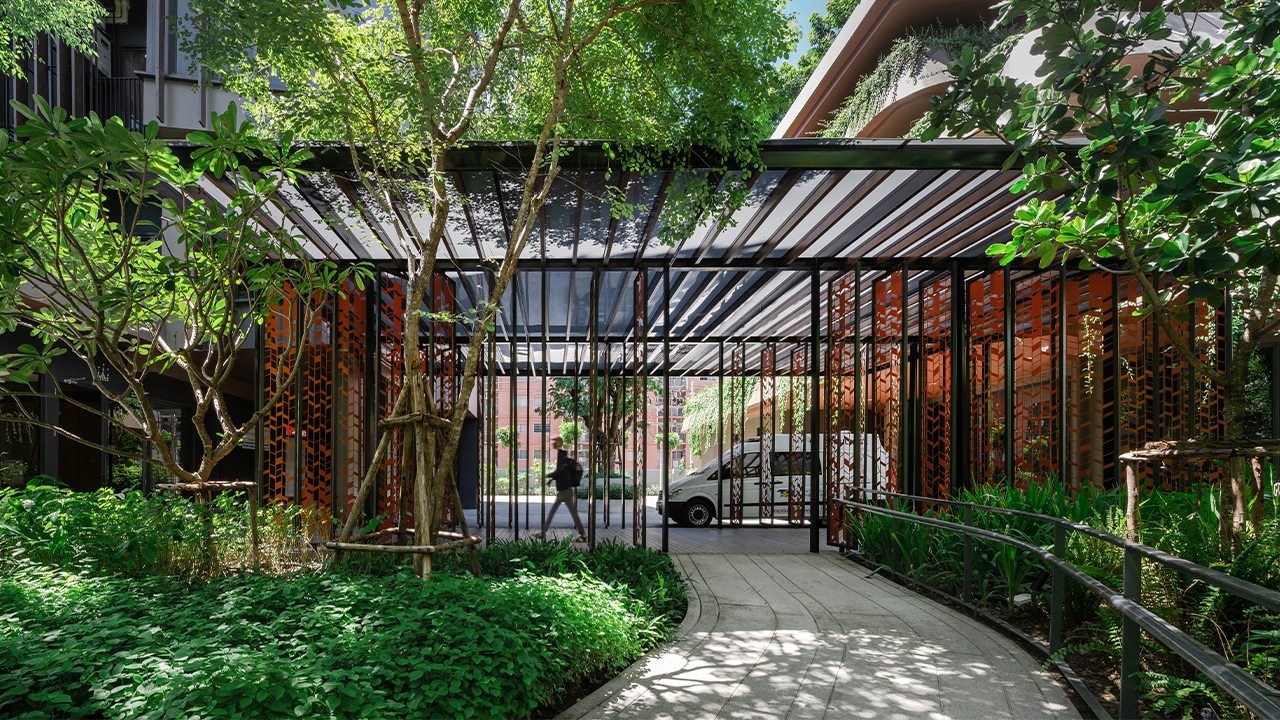
Jin Wellbeing by Sanpiti — Premium rehabilitation facility in Bangkok with resort-style amenities
2. The Golden Period: Your Recovery Window
The first 3–6 months after a stroke is called the "Golden Period" — when the brain has maximum neuroplasticity and the greatest potential for recovery.
Research from the AVERT III Trial and AHA/ASA Guidelines confirms that intensive rehabilitation during this window can achieve 60–80% of total recovery potential. Every week of delay reduces recovery capacity by approximately 5–10%.
Three-Phase Recovery Model
Phase 1: Foundation
- Medical stabilization
- Basic mobility training
- Swallowing and speech assessment
- Baseline functional scoring (16-item protocol)
Phase 2: Acceleration
- Intensive PT 2–3 sessions/day
- Gait training with advanced equipment
- ADL independence training
- Cognitive rehabilitation
Phase 3: Independence
- Community reintegration skills
- Home exercise programming
- Family caregiver training
- Long-term maintenance plan
📖 Read more: Golden Period Stroke Recovery — Why the First 6 Months Matter →
3. Types of Stroke Rehab Centers in Thailand
| Type | Examples | PT Sessions/Day | Cost/Month | Best For |
|---|---|---|---|---|
| Large Hospitals | Large international general hospitals in Bangkok | 1 | $3,000–$8,000 | Acute phase, complex medical needs |
| Specialized Rehab Centers ⭐ | Sanpiti, and others | 2–3 | $800–$3,000 | Golden Period intensive recovery |
| Nursing Homes | Various | 0–1 | $500–$1,500 | Long-term maintenance care |
| Home-Based PT | Various providers | 1 (visiting) | $300–$800 | Mild cases, follow-up |
4. Cost Comparison: Thailand vs. Western Countries
| Service | 🇹🇭 Thailand | 🇺🇸 United States | 🇬🇧 United Kingdom | 🇦🇺 Australia |
|---|---|---|---|---|
| Inpatient Rehab (monthly) | $800–$3,000 | $8,000–$25,000 | $5,000–$15,000 | $6,000–$18,000 |
| Physical Therapy (per session) | $15–$40 | $150–$350 | $80–$200 | $100–$250 |
| Speech Therapy (per session) | $15–$35 | $100–$300 | $70–$180 | $80–$200 |
| MRI / CT Scan | $100–$300 | $1,000–$3,000 | $500–$1,500 | $600–$2,000 |
| Private Room (daily) | $30–$100 | $500–$2,000 | $300–$800 | $400–$1,000 |
💡 A typical 8-week intensive stroke rehabilitation program at Sanpiti costs $2,400–$6,000 total — including accommodation, 2–3 daily PT sessions, speech therapy, and medical consultations. The same program in the US would cost $16,000–$50,000.
5. What to Expect: Daily Rehabilitation Program
At specialized centers like Sanpiti, each day is structured to maximize neuroplastic recovery through intensive, varied therapy sessions:
Morning Assessment & Vital Signs
Daily monitoring by nursing team
Session 1: Physical Therapy
1:1 with PT — gait training, balance, strength
Session 2: Occupational Therapy / ADL
Dressing, eating, bathing practice for independence
Lunch & Rest
Nutritionist-planned meals for brain recovery
Session 3: Speech / Cognitive Therapy
Language exercises, swallowing training, memory work
Specialized Equipment Training
TMS, gait trainer, shockwave therapy as prescribed
Self-Practice & Family Training
Guided exercises + caregiver education
Evening Physician Round
Progress review and program adjustment
6. How to Choose the Right Rehabilitation Center
Not all rehab centers are equal. Here's a decision checklist based on evidence and our 10+ years of experience:
How many PT sessions per day?
📖 Cochrane Review confirms higher intensity = better outcomes
Is there a physician on staff?
📖 Continuous medical oversight is essential for stroke patients
What assessment tool do they use?
📖 Objective measurement ensures progress tracking
Patient-to-therapist ratio?
📖 Individual attention accelerates recovery
Do they offer speech and swallowing therapy?
📖 Integrated care prevents complications like aspiration pneumonia
Family involvement?
📖 Home continuity is critical for long-term outcomes
7. Real Patient Recovery Stories
Mr. Chen, 58
Ischemic StrokeUnable to walk, limited right-side movement
8 weeks intensive (2–3 PT sessions/day)
Walking independently with cane, self-feeding, returned home
"In China, they said I would need a wheelchair for life. After 8 weeks at Sanpiti, I walked out."
Mrs. Tanaka, 65
Hemorrhagic StrokeSevere dysphagia, unable to swallow solid food
12 weeks (PT + speech therapy + TMS)
Eating regular food, speaking clearly, walking with minimal support
"The speech therapy team was incredible. I can eat sushi again."
Mr. Al-Rahman, 52
Post-Surgery RehabilitationPost-craniotomy, left-side weakness, confusion
6 weeks intensive at Jin Wellbeing premium
Full cognitive recovery, walking independently, returned to work
"The private suite and hydrotherapy pool made recovery feel like a retreat, not a hospital."
8. Travel & Logistics for International Patients
Visa
Medical visa (Non-Immigrant "O" or Tourist 60-day + extension). Sanpiti provides documentation for medical visa applications.
Airport Transfer
Wheelchair-accessible transfers from Suvarnabhumi Airport (BKK). Private ambulance available for complex cases.
Accommodation
In-center rooms at Sanpiti from $30/night. Jin Wellbeing premium suites from $80/night with caregiver bed.
Language
English-speaking PT team and medical coordinators. Translation available for Japanese, Chinese, and Arabic.
Insurance
We work with most international insurers. Detailed treatment reports provided for reimbursement claims.
Companion Stay
Family members can stay in the facility. Caregiver training included in all packages.
9. Frequently Asked Questions
How soon after a stroke should I travel to Thailand?
Can I bring my family caregiver?
Is the quality comparable to hospitals in the US or Europe?
What if I need emergency medical care during rehab?
Do you accept international insurance?
How do I get started?
Continue Reading
Golden Period Stroke Recovery: Why the First 6 Months Matter
Deep dive into neuroplasticity science and month-by-month recovery timeline
Stroke Rehabilitation FAQ
Evidence-based answers to common recovery questions
Sanpiti International Patient Programs
Pricing, packages, and how to get started
Jin Wellbeing Premium Facility
Private suites, hydrotherapy pool, and resort-style recovery
Start Your Recovery Journey
Don't let the Golden Period pass. Contact our international patient team for a free consultation and personalized treatment plan within 48 hours.
📧 international@sanpiti.com | 📞 +66-XX-XXX-XXXX | WhatsApp available
References & Sources
- AVERT III Trial (2015). "A Very Early Rehabilitation Trial after stroke." The Lancet. PubMed
- AHA/ASA (2016). "Guidelines for Adult Stroke Rehabilitation and Recovery." Stroke. AHA Journals
- Cochrane Review (2004). "Intensity of practice in physiotherapy after stroke: a systematic review." PubMed
- World Health Organization (2022). "Rehabilitation 2030: A Call for Action."
- Thai Medical Council & Ministry of Public Health (2024). "Medical Tourism Statistics Thailand."